

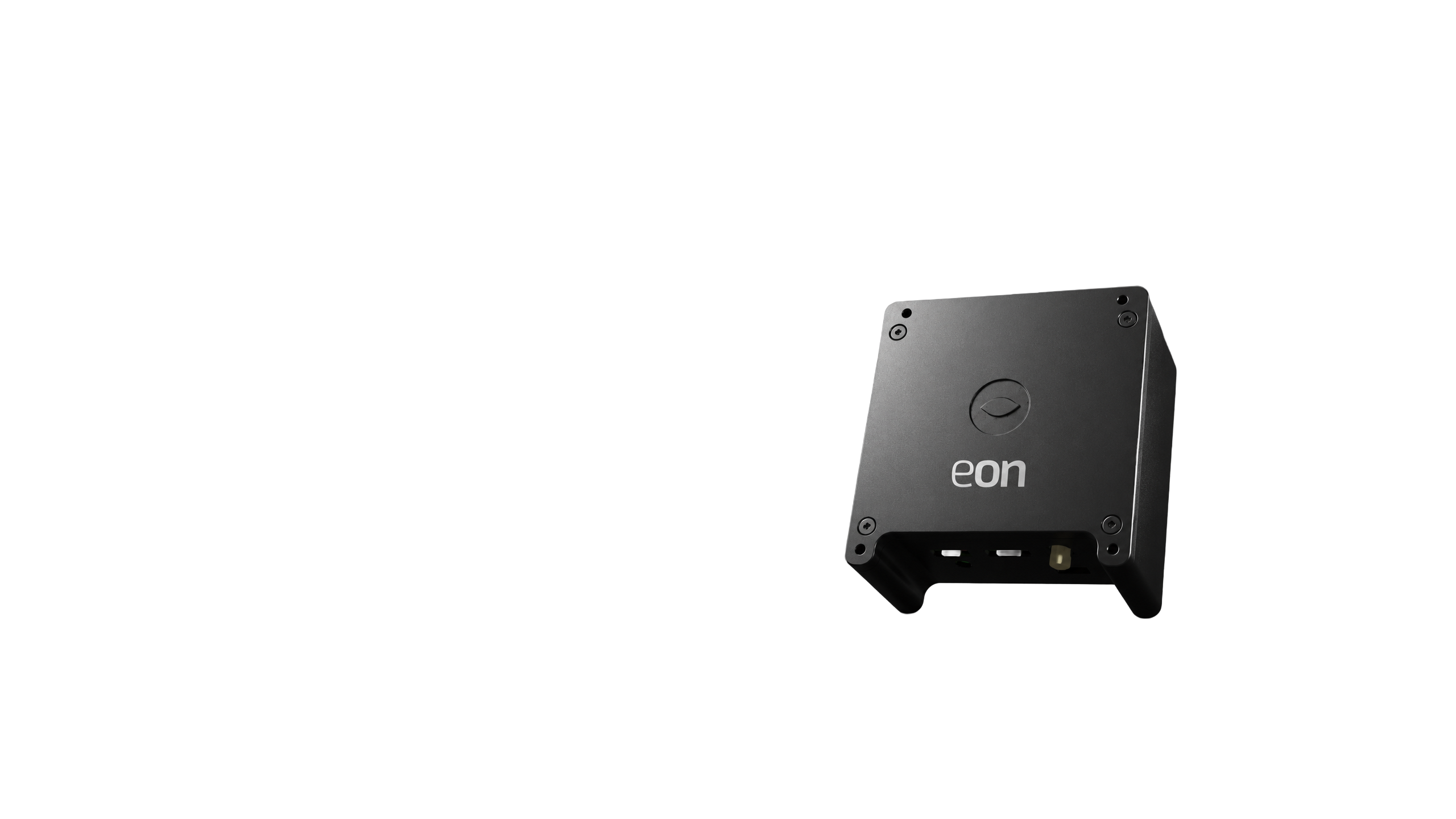
-
01
Dedicated processing unit
Custom onboard processing unit, entirely designed and developed by Nautilus, optimized to host and execute EON's software.
-
02
GNSS drop-in replacement
Integrated GNSS receiver providing raw measurements required for onboard processing.
-
03
Navigation & Collision avoidance, onboard
GNSS-based onboard POD and collision avoidance proprietary algorithms. Onboard, minimizing interactions with the ground.
-
04
Inter-satellite link
Embedded LoRA communication module enabling peer-to-peer data exchange between devices.
- 'TRL Level: 5'
- 'Development status: Active development'
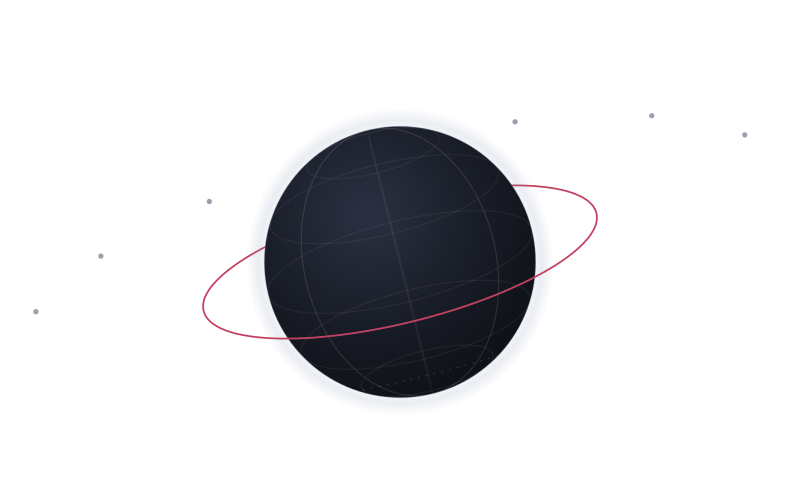
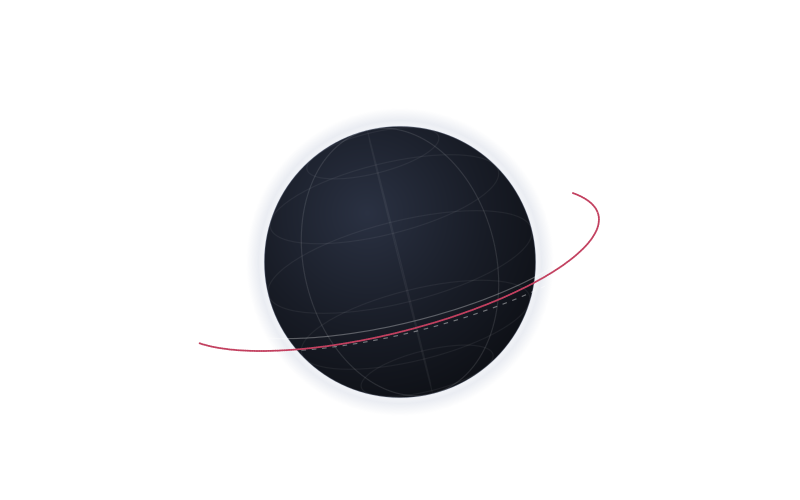
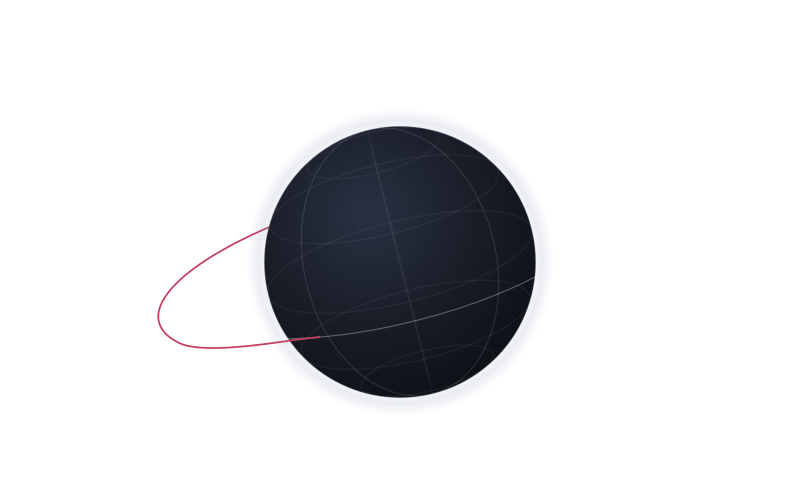
How EON flies your satellite.
From integration on the ground to an avoidance manoeuvre executed in orbit — four phases, no ground pass required in between.
One change onboard.
Four consequences on the ground.
Move the flight dynamics onboard, and the rest of your operations change with it
Onboard Navigation and Collision Avoidance
EON determines its own orbit, assesses conjunction risk, and plans its own manoeuvres with minimal ground station intervention.
Minimized ground workload
Routine orbit determination and manoeuvre planning leave the ground team. They supervise the fleet instead of running the loop for every satellite.
Efficient propellant use
Fresh measurements, onboard. Reduced number of false positives, relative OD with other secondaries: fewer maneuvers, when they matter.
Scale with the fleet
Satellites share orbit data peer-to-peer, so accuracy improves as the fleet grows. Going from five satellites to fifty multiplies the operations, not the operators.
Navigation onboard
EON determines its own orbit, plans its own manoeuvres and assesses conjunction risk directly on the spacecraft — no ground station in the routine loop.
No ground pass to wait for
A conjunction is handled when the risk appears, not when the next contact window allows.
Less ground workload
Routine orbit determination and manoeuvre planning leave the ground team. They supervise the fleet instead of running the loop for every satellite.
Less propellant burned
The onboard camera refines the secondary object's orbit and cuts false positives, so fewer avoidance manoeuvres are executed.
Scales with the fleet
Satellites share orbit data peer-to-peer, so accuracy improves as the fleet grows. Going from five satellites to fifty multiplies the operations, not the operators.
Under 1U. Under 3 W.
A PC104-footprint unit integrating the navigation computer, GNSS reception and the inter-satellite link in a single enclosure.
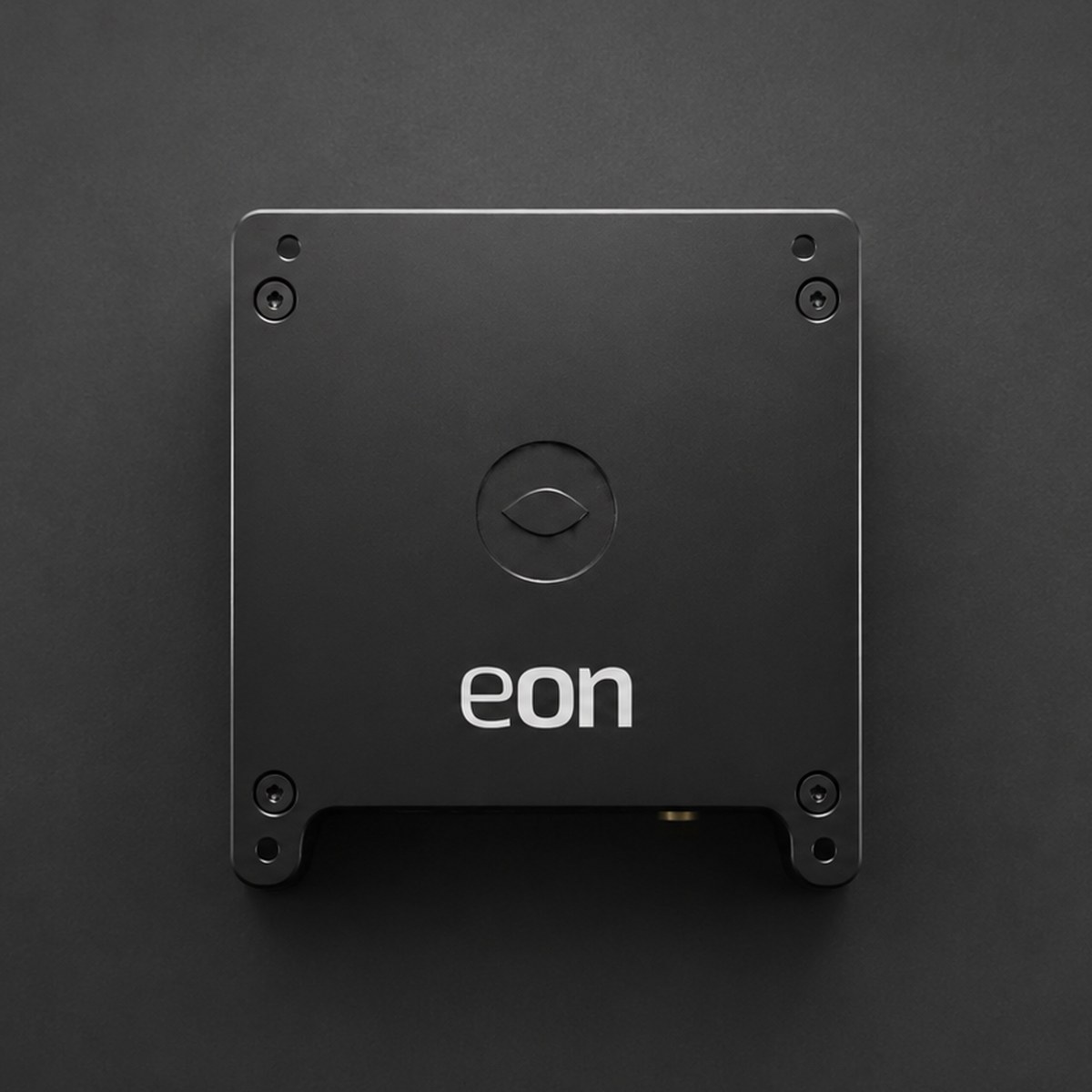 ~90 mm
~96 mm
- Form factor
- PC104 footprint, < 1U
- Footprint
- ~90 × 96 mm
- Volume
- < 0.3U
- Mass
- < 150 g
- Power consumption
- < 3 W
- GNSS receiver
- L1, L5
- Processor
- COTS MCU, STM32H7
- Storage
- 16 GB
- Inter-satellite link
- LoRa, UHF band
- Power supply
- Redundant
- Connectors
- SMA, DB9 — fixed to PCB
- Mounting
- Enclosure mounting